 Back
Back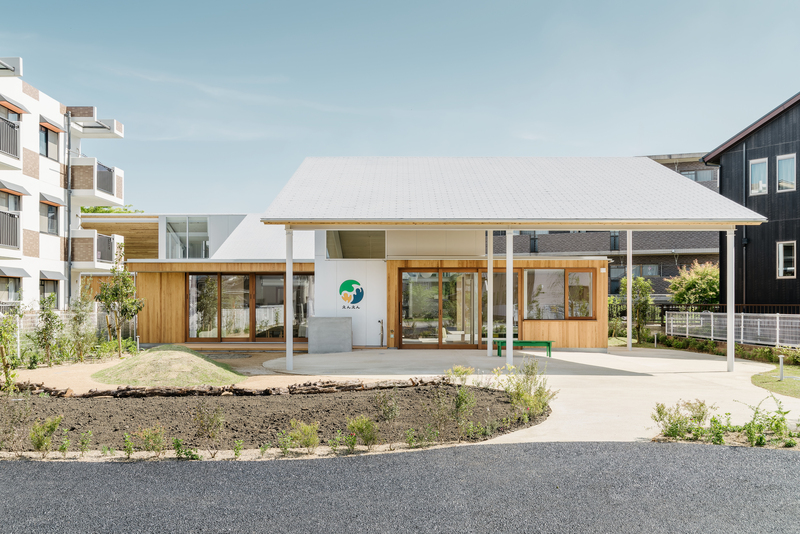




YAMAOSM
企画編集執筆








保育事業と地域を結ぶ“みちのような建築”を目指した建築プロジェクト「えんえん」で、助成申請のための計画書の言語化・編集サポート、保育士のみなさんが参画しやすくするためのプロジェクトファシリテーションなどを担当しました。
このプロジェクトは、大阪のデザイン事務所UMA/design farmとともに、大分県福祉会のブランディングをお手伝いするなかで、2021年に法人が運営する施設の一つである滝尾保育園のみなさんからご相談いただいたことをきっかけに始まりました。保育士のみなさんは、園児や保護者の話だけではなく、地域の方の孤独死や子どもの虐待などさまざまな状況に気づいたり、見聞きしたりします。「地域に根ざした保育だからこそ、より本質的、長期的な視点で、地域のつながりをつなぎ直せないか?」そんな保育士のみなさんの課題感から生まれたのが、この「制度のはざまにいる子どものケアとご近所さんの顔がみえる拠点 えんえん」という施設のアイデアでした。
「日本財団みらいの福祉施設建築プロジェクト」は、制度が始まった当初より、事業者と建築家が協働し、場のデザインから新しい福祉のあり方を開いていく新しい助成事業として、注目を集めていました。第1回の応募は、残念ながら落選したのですが、チームで粘り強く取り組み、第2回(2022年度)に応募があった全国292事業のなかから、採択された3事業の一つに選定されました。
プロジェクトでは、矢橋徹建築設計事務所にも参画いただき、ヒアリングやワークショップを行いながらリードしていただきました。保育士のみなさんの考える課題や心地よい空間についての断片的なアイデアを、模型や図面に建築に落とし込みながら具体化しました。私は、こうした専門的な知識を持つメンバーとのやり取りのなかで、保育士のみなさんの想いを橋渡ししたり、対話が不足している場面を察知して機会を設けたりしました。助成申請にあたっては、申請書類・計画案の言語化と、プロジェクト全体のアウトカムの整理をサポートしています。また、「えんえん」のリーフレットの編集・執筆も担当しました。
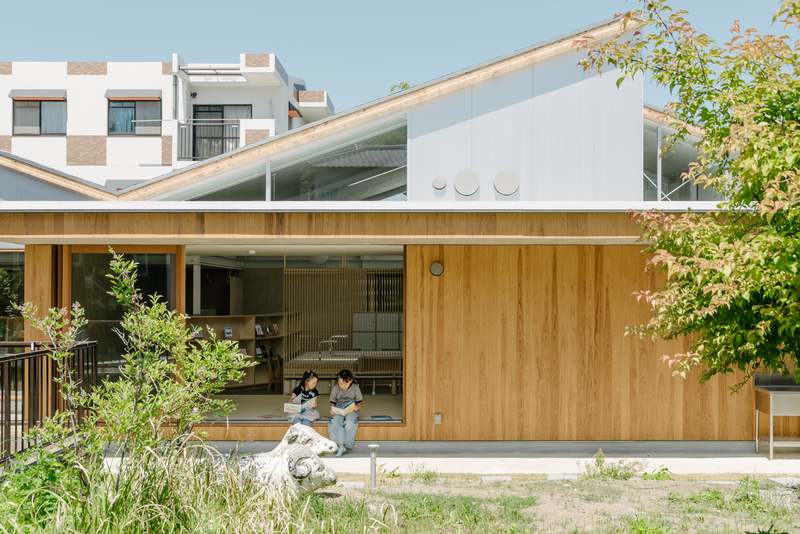
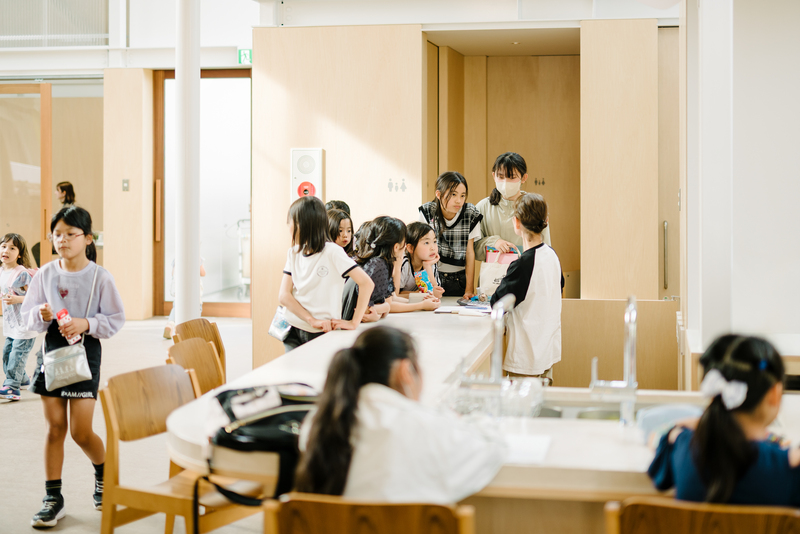
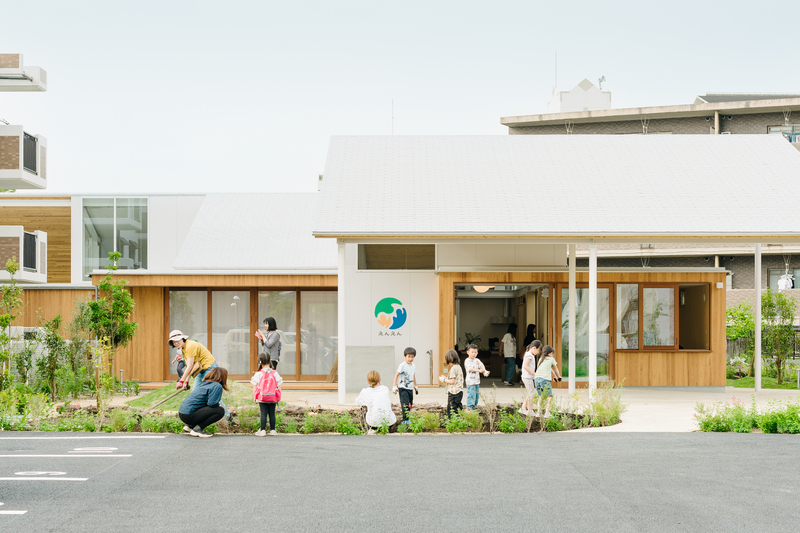
「えんえん」は、0歳からの子ども、病後児、医療的ケア児の一時預かりや子育て支援の拠点です。同時に、地域食堂やカフェ、駄菓子屋、ミニ図書館などがあり、子どもから大人までご近所さんが立ち寄れる、地域に開かれた場所でもあります。さまざまな方との接点を育みながら、まだ見えてない地域課題を顕在化して将来的な支援につなげることも目指しています。
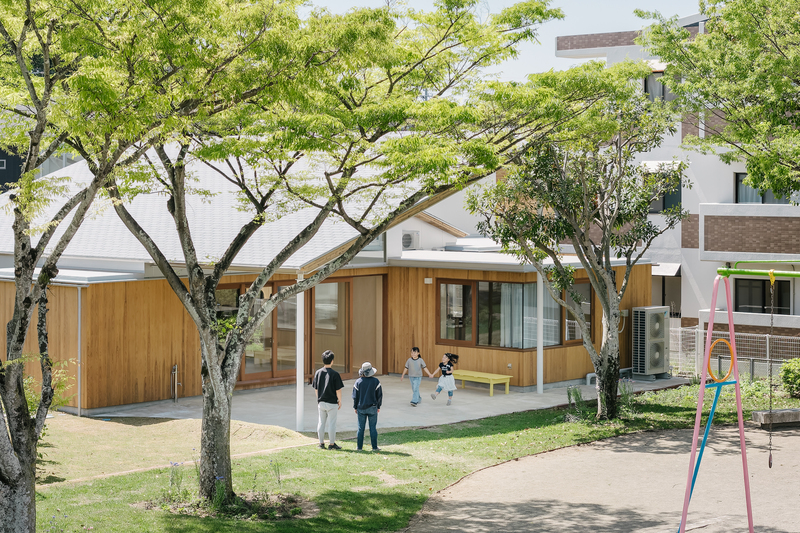
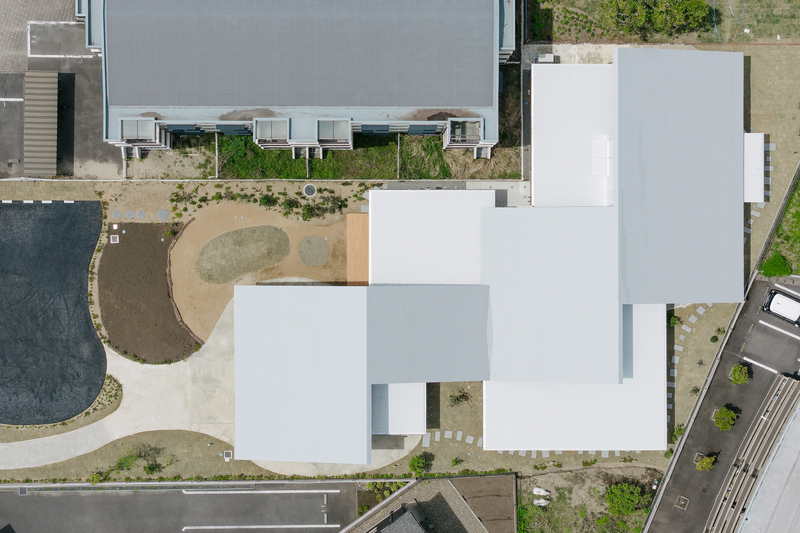
建物は、滝尾保育園と羽田東公園をつなぐように建てられました。中央には「ビッグ土間」と呼ばれる通りのような空間があり、地区の“家”のように、訪れた人をあたたかく迎えたいという保育士たちの想いが込められています。どなたでも立ち寄れますので、お近くを訪れた際はぜひ足を運んでみてください。
For the architectural project “enen” — which set out to create a building that functions like a path, connecting childcare and the wider community — I supported the planning documentation and editorial work for the grant application, and facilitated the process to help the nursery staff engage as active participants.
The project began in 2021, while working alongside Osaka-based design studio UMA/design farm on a branding project for Oitaken Fukushikai. Staff at Takio Nursery School, one of the corporation’s facilities, brought the initial question to us. The nursery teachers there don’t only hear from children and parents — they also encounter, or become aware of, situations in the surrounding community: isolated deaths among elderly residents, child abuse, and other difficult realities. “Because we’re rooted in this community, couldn’t we take a more fundamental, long-term view — and work to rebuild the connections that have come apart?” That sense of concern among the staff gave rise to the idea for “Enen”: a place that could care for children who fall between the gaps of existing systems, and where neighbours could come to know one another’s faces.
The Nippon Foundation’s Future Welfare Facility Architecture Project had drawn attention from its launch as a new kind of grant initiative — one in which operators and architects collaborate to reimagine welfare through the design of space itself. Our first application was unsuccessful, but the team kept at it, and in the second round (2022), Enen was selected as one of three projects chosen from 292 applications submitted from across Japan.
Architect Toru Yabashi and Takumi Ueno of Yahashi Toru Architectural Design Office joined the project, leading the process through interviews and workshops — translating the fragmented ideas that nursery staff held about the challenges they faced and the kinds of spaces they wanted into architectural form, through models and drawings. Within that process, I worked to bridge the thinking of the nursery staff and the specialist knowledge of the other members, and to notice when dialogue was missing and create the conditions for it. For the grant application, I supported the articulation of planning documents and helped organise the overall outcomes of the project. I also handled the editing and writing for the Enen leaflet.
Enen serves as a base for temporary childcare — for infants from birth, children recovering from illness, and children with medical needs — as well as a hub for broader child-rearing support. At the same time, it houses a community dining space, a café, a penny-candy shop, and a small library: a place open to the neighbourhood, where people of all ages can drop in. By nurturing points of connection with a wide range of people, the project also aims to surface community needs that aren’t yet visible, and link them to future forms of support.
The building is situated to connect Takio Nursery School with Hadahigashi Park. At its centre is a generous earthen-floor space called the “big doma” — a passage-like room that carries the nursery staff’s wish to welcome anyone who walks in, like a home for the whole neighbourhood. It’s open to everyone, so if you find yourself nearby, please feel free to stop by.


