Back
Back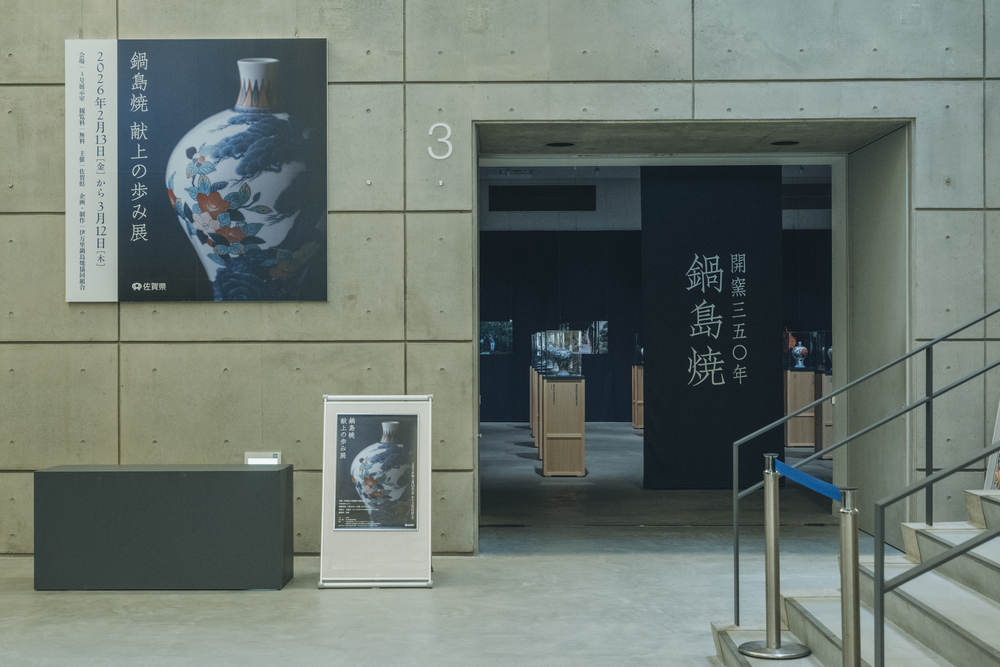


YAMAOSM
企画編集執筆








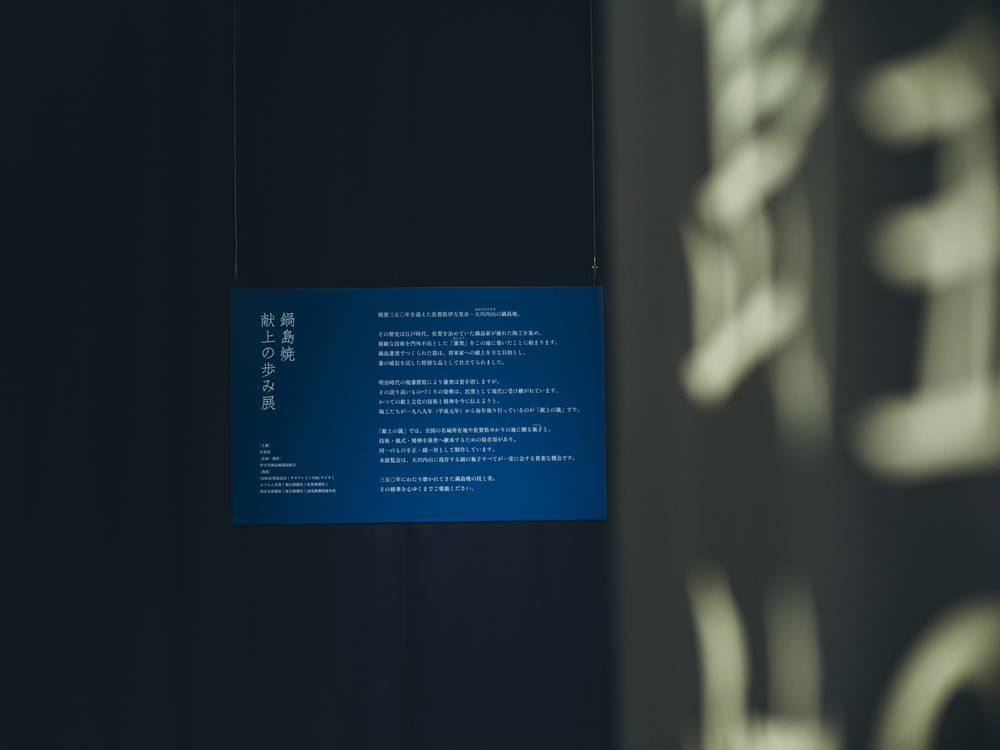
鍋島藩窯開窯350周年記念事業の一環として開催された、展示のテキスト執筆・編集を担当しました。大阪・関西万博(2025年9月)と佐賀県立美術館(2026年2月〜3月)、それぞれの展示に向けたリーフレット・展示キャプションなどの執筆を行いました。
鍋島焼は、佐賀県伊万里市・大川内山を産地とする日本最高峰の磁器です。大川内山の産地としての歴史は、江戸時代に鍋島藩が全国から選りすぐりの陶工を集め、藩直営の「鍋島藩窯」を築いたことに始まります。廃藩置県によって藩窯は姿を消しましたが、ものづくりの技術と精神は民窯として現代に受け継がれ、2025年に開窯350周年を迎えました。現在も大川内山の29の窯元がその技術と文化を継承し、1989年から毎年「献上の儀」として全国の名城所在地の首長などに瓶子(へいし)を献上し続けています。
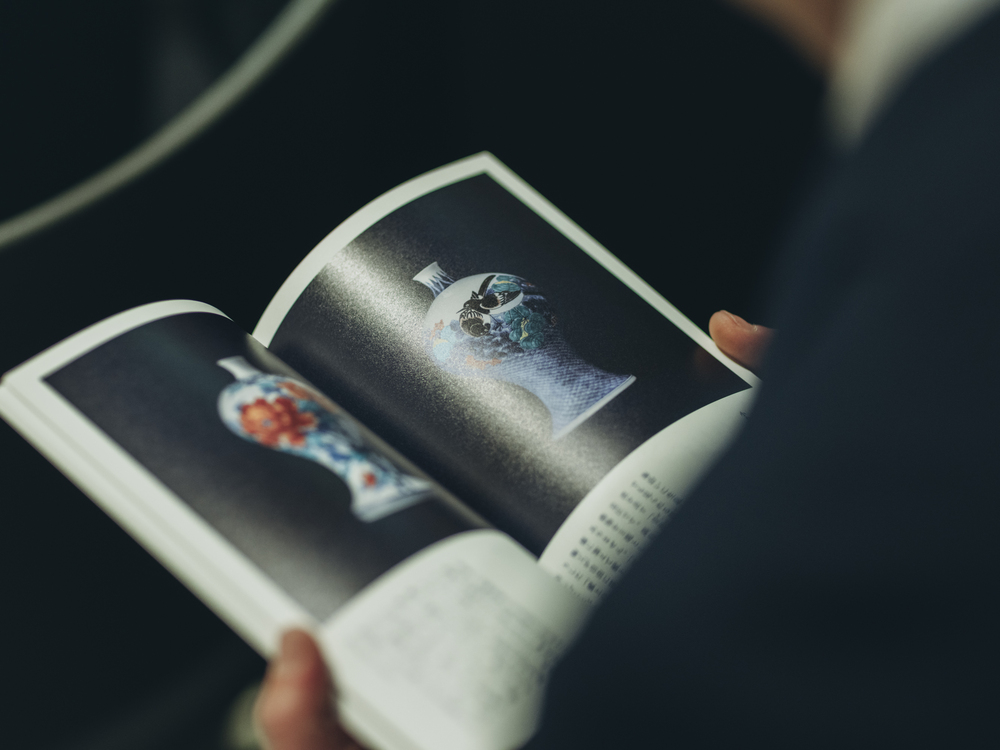
万博も県立美術館の展示も、ともに「献上の儀」をテーマにしていますが、万博での展示(献上瓶子12点)は、初見の来場者でも鍋島焼の価値が伝わるよう、その技術の高さやブランドを端的に示すことを重きが置いています。蛇腹折りのリーフレットには、展示された12点の意匠の説明や献上先との交流背景について紹介しています。
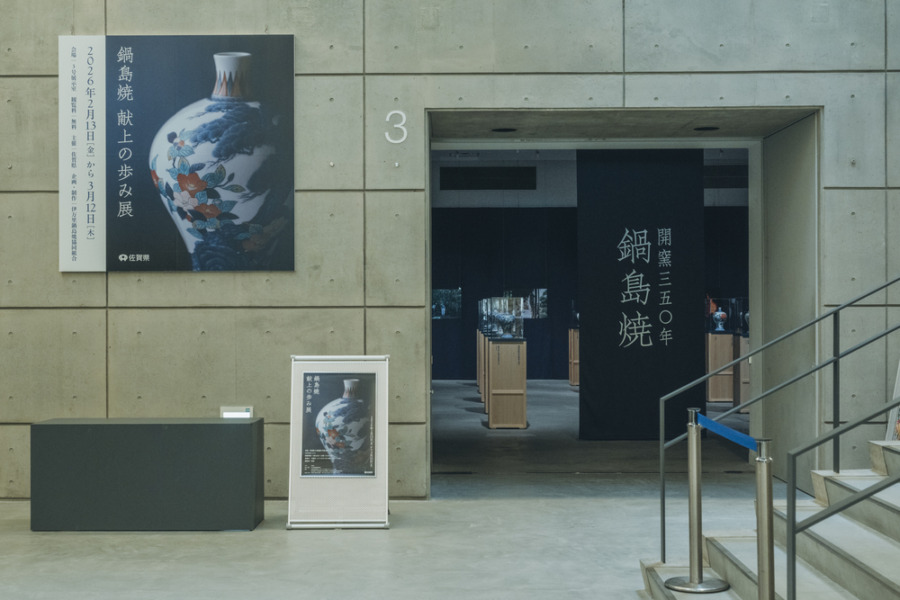
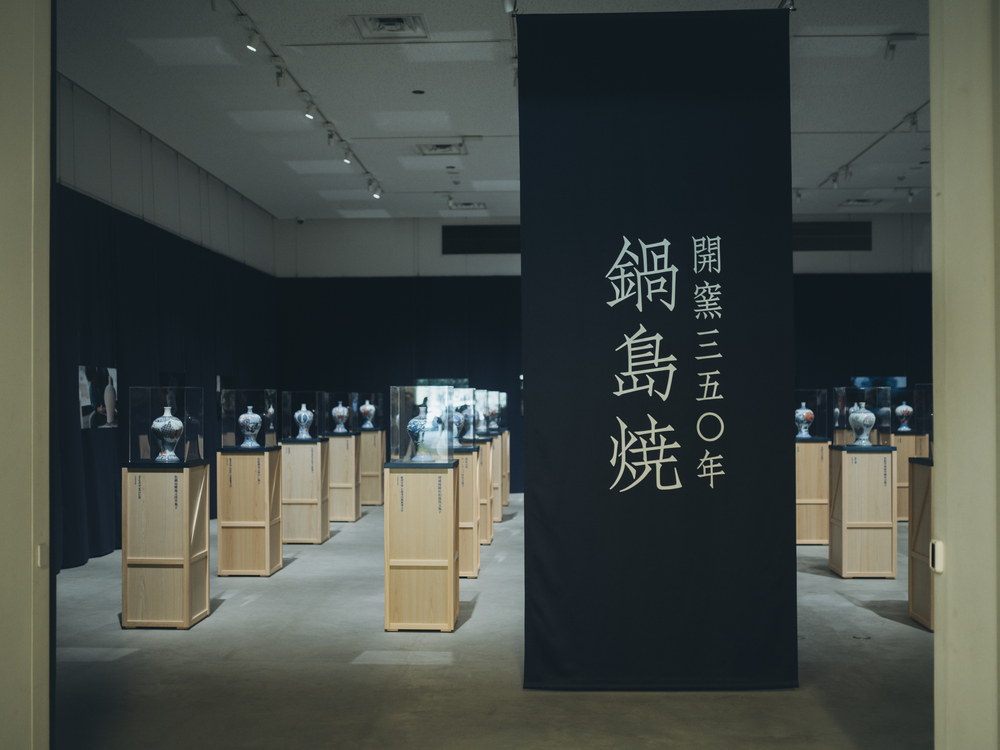
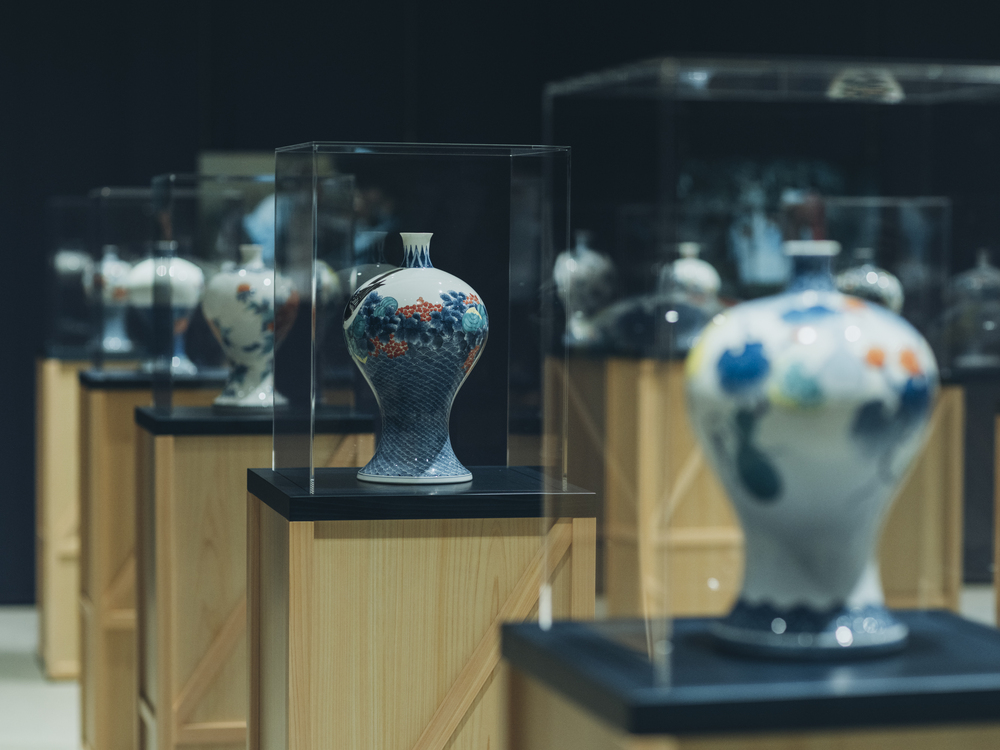
県立美術館での展示では、万博の展示をスケールアップし、大川内山に現存する29点の瓶子が展示されました。佐賀県内での開催であることを踏まえ、より関心の深い来場者が訪れることも想定し、「献上の儀」に込められた思いにもより踏み込んでいます。「献上の儀」では、「正(献上用)」と「副(保存用)」を常に対で制作し、保存用は未来の陶工のための生きた資料として残してきました。この点を言語化することで、展示物が単なる「予備」ではなく、技術継承のための「バトン」であることが伝わるように意識しました。
|展示概要|
「鍋島焼 献上の歩み展」
会期:2025年9月3日(水)~5日(金)10:00~20:00
会場:大阪・関西万博会場内 EXPOメッセ『WASSE』
「鍋島焼 献上の歩み展」
期間:2026年2月13日(金)〜3月12日(木)
開館時間:9:30〜18:00(2月13日は13:00〜18:00)
会場:佐賀県立美術館 3号展示室
I handled the editing and writing of exhibition texts including leaflets and exhibition captions, for the commemorative project marking the 350th anniversary of the establishment of the Nabeshima Domain Kiln in Okawachiyama, organized by the Imari Nabeshima Ware Cooperative. The project spanned two venues: the Osaka-Kansai World Expo (September 2025) and the Saga Prefectural Museum of Art (February–March 2026).
Nabeshima ware from Okawachiyama in Imari, Saga Prefecture, marks its 350th anniversary in 2025. Its history dates back to the Edo period, when the Nabeshima clan gathered master ceramic artists and established Hanyo, the clan kiln, keeping its advanced techniques strictly confidential. Although the clan kiln disappeared following the abolition of feudal domains in the Meiji period, the spirit of craftsmanship lived on, and the legacy of Nabeshima ware began a new chapter as privately produced porcelain. Since 1989, the Kenjō no Gi has been performed every year, presenting heishi(ceremonial sake vessels) to local leaders of municipalities home to renowned castles across Japan.
Both the Expo and the museum exhibition shared the Kenjō no Gi as their central theme, but the approach to each differed. At the Expo held in Osaka and drawing visitors from across Japan and around the world, many attendees would have little or no prior familiarity with Nabeshima ware. The priority was therefore to convey its technical excellence and prestige with clarity and immediacy. The accordion-fold leaflet offered concise introductions to the design background of each of the twelve pieces and the stories behind their respective tribute destinations.
The museum exhibition built on the Expo display and expanded its scale, bringing together all 29 surviving heishi held in Okawachiyama. With the exhibition taking place in Saga Prefecture, where a more informed and engaged audience was expected, the texts went deeper into the meaning behind the Kenjō no Gi itself. In the ceremony, each heishi is produced as a pair (one for presentation and one for preservation) with the latter kept in Okawachiyama as living reference material for future potters. By putting this into words, I aimed to convey that the pieces on display are not simply spares, but a baton passed forward in the continuity of craft.